

How Long Does Anxiety Therapy Typically Take?
At OptiCore Health and Wellness, Nimrode N. Aridou, PMHNP-BC, MSN, BSN, RN, partners with you to develop a flexible treatment plan that adapts as you progress. There is no single fixed timeline for overcoming anxiety, as true healing requires an approach tailored to your specific symptoms, history, and personal goals. Whether you benefit most from short-term coping strategies, longer-term therapeutic support, or medication management, you will never be rushed. Our goal is to provide a steady, comfortable path toward sustainable recovery. For more information, contact us or request an appointment online. We are conveniently located at 6640 Wilkinson blvd, suite 500, Belmont, NC 28012.
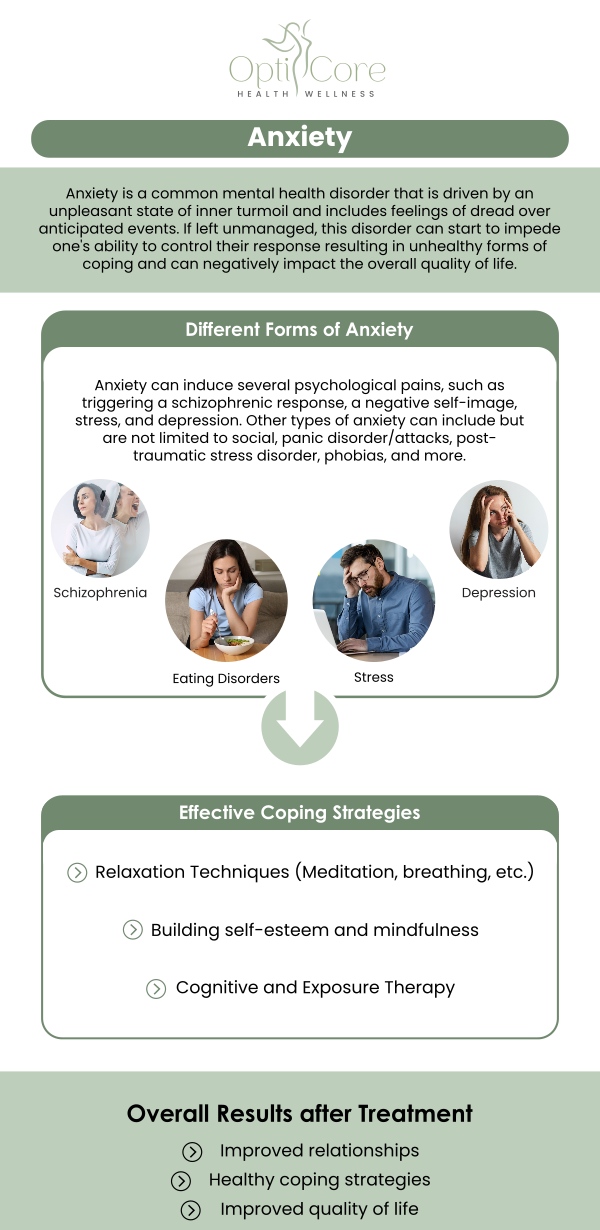
Table of Contents:
How do the severity and type of anxiety affect the treatment timeline?
Can combining therapy and medication shorten the overall treatment duration?
How often should sessions occur to achieve noticeable progress in anxiety management?
What milestones indicate that anxiety treatment is progressing successfully?
Understanding the Timeline for Anxiety Treatment With Nimrode N. Aridou at OptiCore Health and Wellness
At OptiCore Health & Wellness, we recognize that the severity and type of anxiety you experience play a significant role in determining the most effective treatment plan and the expected timeline for improvement. For individuals with mild anxiety symptoms, our experienced providers often recommend evidence-based interventions such as cognitive-behavioral therapy (CBT) and, if appropriate, short-term medication management. Many patients with mild anxiety notice significant progress within just a few weeks to a couple of months.
For those facing moderate to severe anxiety, or when anxiety coincides with other concerns like depression or substance use, our team develops comprehensive, personalized treatment plans. These may combine medication, psychotherapy, lifestyle modifications, and ongoing support to address all aspects of your well-being. In such cases, achieving and maintaining progress typically requires several months or longer, with some individuals benefiting from maintenance treatment to manage symptoms over time.
The specific type of anxiety disorder also guides our approach. For example, targeted exposure therapy may quickly resolve certain phobias, while more pervasive conditions such as generalized anxiety disorder (GAD) or obsessive-compulsive disorder (OCD) often require a longer, multifaceted approach.
We understand that personal factors—including your support system, readiness to participate in treatment, and past experiences—also play a crucial role in your healing journey. That’s why we emphasize individualized care plans, regular progress evaluations, and compassionate support every step of the way.
Combining therapy and medication often leads to more effective and efficient treatment outcomes for many mental health conditions. Our integrative approach is designed to address both the biological and psychological aspects of disorders such as depression, anxiety, and other psychiatric conditions.
Medication, prescribed by our medical professionals, can help manage or alleviate symptoms by targeting underlying biological factors. At the same time, our skilled therapists work with individuals to develop coping strategies, provide emotional support, and offer insights into behavioral and thought patterns.
Research consistently shows that using psychotherapy and medication together not only improves overall outcomes but can also lead to a quicker reduction in symptoms compared to using either approach alone. Many of our patients find that this dual approach helps them stabilize faster and learn the skills necessary to maintain their well-being long-term.
The frequency of therapy sessions needed to achieve noticeable progress in anxiety management can vary, depending on your personal needs, the severity of your symptoms, and the specific treatment plan developed by our experienced team.
For many of our clients, we recommend starting with weekly therapy sessions, especially during the early stages of treatment. This consistent schedule allows for close support, the development of effective coping strategies, and regular monitoring of your progress—factors that are essential for those experiencing moderate to severe anxiety.
As you begin to feel better and see improvement in your symptoms, you and your therapist may decide to gradually reduce session frequency to biweekly or monthly appointments. This flexible, step-down approach is designed to help you maintain your progress while building confidence and independence in managing anxiety.
Some individuals with milder symptoms, or those who have already made significant progress, may benefit from less frequent check-ins. We emphasize open communication to ensure your therapy schedule is personalized to your evolving needs and goals.
At OptiCore Health & Wellness, our team is dedicated to guiding you through every step of your anxiety treatment journey. As you progress, several key milestones often become evident, signaling meaningful improvement and a return to greater well-being.
Noticeable Reduction in Anxiety Symptoms
One of the first signs of successful treatment is a reduction in both the frequency and intensity of anxious thoughts and physical symptoms. Many of our patients find that their worries become less overwhelming, and episodes such as panic attacks occur less often or are milder thanks to our evidence-based therapeutic approaches and integrative care.
Enhanced Daily Functioning
Patients often report being able to participate more fully in work, school, and social activities that were once avoided due to anxiety. Whether it’s feeling more comfortable in crowded spaces, public speaking, or attending social events, improved daily functioning is a strong indicator of progress during your personalized treatment plan at OptiCore.
Development of Effective Coping Strategies
With guidance from our compassionate team, individuals learn to recognize and challenge unhelpful thought patterns, practice relaxation techniques, and manage stress more effectively. Our holistic approach empowers you to identify early signs of anxiety and utilize practical tools to prevent escalation, fostering long-term resilience.
Improved Mood and Self-Confidence
As anxiety symptoms lessen, many of our patients experience a brighter outlook, increased motivation, and greater self-confidence. Enhanced relationships and more open communication are additional milestones, as you become less reliant on avoidance behaviors and more engaged in life.
Greater Independence and Self-Management
A hallmark of successful anxiety treatment is increasing independence. This may mean longer periods between therapy sessions, decreased reliance on medication, or confidently managing setbacks using skills learned in treatment. We support you in building lasting strategies for continued well-being.
Taking the first step to seek help for anxiety is an act of courage and self-care. At OptiCore Health & Wellness, led by Nimrode N. Aridou, our mission is to guide you toward lasting relief using a patient-centered approach rooted in compassion, expertise, and evidence-based care.
What to Expect: The Anxiety Treatment Timeline
Every person’s experience with anxiety is unique, which is why our treatment process is tailored to your individual needs. Your journey with us begins with a thorough evaluation by Nimrode N. Aridou. During this initial visit, we’ll explore your symptoms, medical history, lifestyle factors, and any other underlying concerns to build a comprehensive understanding of your situation.
Personalized Treatment Planning
Based on this assessment, we develop a customized treatment plan that may include psychotherapy, medication, lifestyle modifications, or a combination of these. We place a strong emphasis on holistic and integrated care, ensuring your mental and physical well-being are both addressed.
Early Progress and Ongoing Support
Most patients start to notice subtle improvements within the first few weeks of treatment—sometimes as early as 2-4 weeks, especially if medication is part of the plan. Others may progress at a different pace, and that’s completely normal. Therapies such as cognitive-behavioral therapy (CBT) are core components of our anxiety management program, and while some patients feel better after a handful of sessions, others benefit from a longer course of therapy.
Long-Term Growth and Resilience
Sustained, meaningful change often occurs over several months of consistent care. Regular check-ins with Nimrode N. Aridou ensure that your progress is closely monitored, side effects are managed, and your treatment plan is adjusted as needed. Our goal is to empower you with coping strategies and skills so you can manage anxiety confidently, even after your treatment with us has ended.
A Collaborative, Compassionate Approach
Recovery from anxiety isn’t always a straight path—ups and downs are part of the process. At OptiCore Health & Wellness, we value open communication and encourage you to share your experiences and concerns at every step. This partnership allows us to adapt your care plan so you continue moving toward greater well-being. For more information, contact us or request an appointment online. We are conveniently located at 6640 Wilkinson blvd, suite 500, Belmont, NC 28012. We serve patients from Belmont NC, Cramerton NC, Mount Holly NC, Lowell NC, Gastonia NC, Stanley Dallas NC, and surrounding cities.
Check Out Our 5 Star Reviews


Additional Services You May Need

Additional Services You May Need
▸ ADHD Specialist
▸ Telepsychiatry
▸ Medication Management
▸ Anxiety
▸ Depression
▸ Alcohol/ Substance Use Disorder
▸ Mental Health Evaluations
▸ Psychiatric Evaluations
▸ Mobile Psychiatry
▸ Crisis Intervention
▸ Staff Consultation
▸ Anger Management
▸ Addiction
▸ Mood Disorders
▸ Insomnia
▸ Trauma
▸ PTSD


 Send Text
 How May I Help You?