

PTSD Treatment Specialist in Belmont NC
At OptiCore Health and Wellness, Nimrode Aridou, PMHNP-BC, MSN, BSN, RN, provides personalized and compassionate psychiatric care for individuals navigating Post-Traumatic Stress Disorder (PTSD). Through targeted mental health evaluations and trauma-focused therapeutic support, Nimrode offers a safe, dedicated environment to help patients process traumatic experiences, effectively manage complex PTSD symptoms, and rebuild their emotional well-being. For more information, contact us or schedule an appointment online. We are conveniently located at 6640 Wilkinson blvd, suite 500, Belmont, NC 28012.
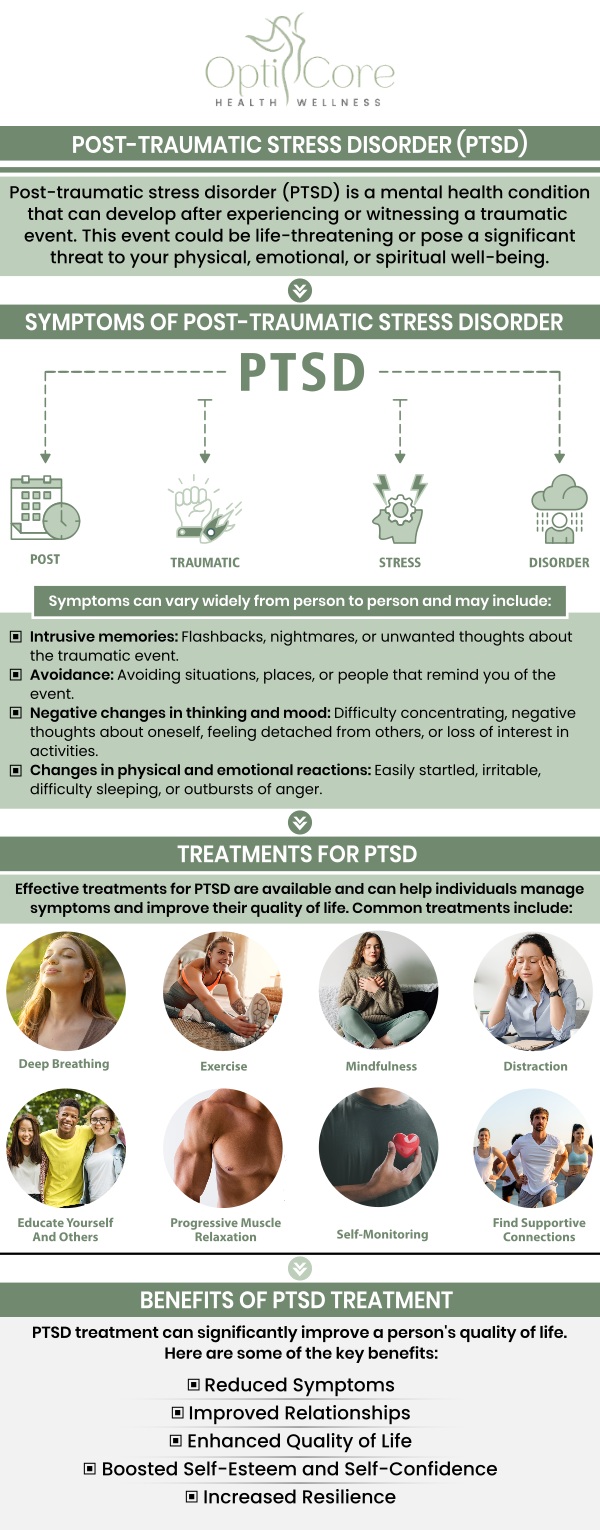
Table of Contents:
What is PTSD and how can it affect a person’s daily life?
What experiences or events can contribute to the development of PTSD?
What are the common emotional and physical symptoms of PTSD?
What treatment approaches may help people manage PTSD symptoms?
How Does Nimrode N Aridou, PMHNP-BC, MSN, BSN, RN, Personalize PTSD Treatment and Support?
PTSD can result from enduring or witnessing traumatic events like violence, major accidents, sexual assault, or disasters.
PTSD can make you feel as though danger is still present, even when you are safe. Its effects may include:
• Unwanted memories or flashbacks: Nightmares, intrusive memories, or episodes that feel as if the trauma is happening again. Certain sounds, places, or smells may trigger intense distress, a racing heart, or sweating.
• Avoidance: Staying away from people, places, conversations, or activities associated with the trauma. While this may offer temporary relief, it can gradually limit your routines, relationships, work, or school participation.
• Changes in mood and relationships: Feeling emotionally numb, disconnected, guilty, or ashamed, or losing interest in activities you once enjoyed. Irritability and difficulty trusting others may also strain relationships.
• Feeling constantly on alert: Being easily startled, having trouble relaxing, or struggling with sleep and concentration. These symptoms can contribute to exhaustion and difficulty managing everyday responsibilities.
PTSD may also occur alongside depression, anxiety, chronic pain, or alcohol or drug misuse. Addressing both emotional and physical symptoms is an important part of supporting overall wellness.
If trauma-related symptoms are affecting your sleep, relationships, work, or overall well-being, consider speaking with a qualified healthcare professional. You do not need to wait a month to seek support after trauma.
PTSD can develop after experiencing or witnessing actual or threatened death, serious injury, or sexual violence. Examples include combat, physical or sexual assault, childhood abuse, serious accidents, natural disasters, and other life-threatening events. It may follow a single incident or repeated trauma, such as ongoing domestic violence.
PTSD can also develop after learning that a close family member or friend experienced a traumatic event, particularly a violent or accidental death. Repeated exposure to distressing details of trauma through work—such as in emergency response, policing, or certain healthcare roles—can also contribute. Exposure through news, television, or social media generally does not meet the clinical definition of traumatic exposure unless it is work-related.
Not everyone who experiences trauma develops PTSD. Risk can be influenced by the severity and duration of the trauma, previous traumatic experiences, existing mental health conditions, ongoing stress, and available support.
Symptoms that may warrant an evaluation include:
• Unwanted memories, flashbacks, or nightmares
• Avoiding reminders of the traumatic event
• Ongoing fear, guilt, emotional detachment, or social withdrawal
• Hypervigilance, heightened jumpiness, or sleep disruptions
Emotional and Psychological Symptoms
PTSD can affect how you think, feel, and connect with others. Common symptoms include:
• Intrusive memories, nightmares, or flashbacks that make the traumatic event feel as though it is happening again.
• Intense distress around reminders, such as certain sounds, places, or smells.
• Mood changes, including irritability, anger, guilt, shame, sadness, or emotional numbness.
• Feeling disconnected from others or losing interest in activities you once enjoyed.
• Persistent negative beliefs about yourself, other people, or the world.
• Avoidance of thoughts, conversations, people, or places associated with the trauma.
• Feeling constantly on guard, being easily startled, or having trouble concentrating.
Some people also experience dissociation, such as feeling disconnected from their body or surroundings.
Physical Symptoms
PTSD can keep the body’s stress response highly activated, affecting sleep, energy, and physical comfort. Symptoms may include:
• A racing heartbeat, sweating, trembling, or rapid breathing.
• Nausea or stomach discomfort.
• Difficulty falling asleep, disrupted sleep, or nightmares.
• Ongoing fatigue.
• Muscle tension, headaches, or other aches and pains.
These symptoms can have causes other than PTSD. New, severe, or persistent physical symptoms should be evaluated by a healthcare professional, rather than assumed to be stress-related.
Post-traumatic stress disorder (PTSD) can be treated—even when symptoms have lasted for years. At OptiCore Health and Wellness, we encourage an individualized approach that considers your mental and physical health, daily challenges, and personal goals. Treatment can help reduce symptoms, improve daily functioning, and support a greater sense of safety and control.
The right care plan depends on your symptoms, preferences, health history, and access to qualified providers. The following options can help guide a conversation with your healthcare professional.
Trauma-focused psychotherapy
Trauma-focused psychotherapy has the strongest evidence for treating PTSD and is often recommended first. These therapies should be provided by a clinician trained in the specific approach, with attention to your safety and readiness. You do not need to share every detail of your trauma at the first visit. If trauma-focused therapy is unavailable or does not match your preferences, other options, such as present-centered therapy, may help.
Medication options
When psychotherapy is inaccessible, unappealing, or insufficiently effective, medication can serve as a valuable alternative for alleviating PTSD symptoms.
A prescribing clinician can review potential benefits, side effects, medication interactions, and the time needed to evaluate your response.
Sleep, wellness, and daily coping
PTSD can affect sleep, energy, relationships, and physical well-being. Addressing these concerns can support recovery alongside evidence-based treatment.
Cognitive behavioral therapy for insomnia (CBT-I) can help with persistent sleep difficulties, while imagery rehearsal therapy may help with recurring nightmares. A consistent sleep schedule, regular physical activity, supportive relationships, and reducing alcohol or other substance use can also support well-being.
During flashbacks or intense distress, grounding techniques—such as noticing your surroundings, feeling your feet on the floor, or naming familiar objects—may help you reconnect with the present. Slow breathing and mindfulness help some people but can increase discomfort for others. A therapist can help you identify and adapt strategies that work for you.
A personalized, coordinated approach
Effective PTSD care looks beyond a single symptom. A care plan may also need to address depression, chronic pain, substance use, dissociation, or ongoing safety concerns. Support from trusted loved ones and peers, along with practical assistance for housing or work-related challenges, can make treatment more manageable.
A licensed mental health professional or primary care clinician can assess your symptoms and discuss appropriate next steps. If one treatment does not provide enough relief, adjusting the plan or trying another evidence-based approach is reasonable.
Post-traumatic stress disorder (PTSD) can affect your sleep, mood, relationships, and sense of safety. Because everyone’s experiences and recovery goals are different, care should reflect your individual needs—not a one-size-fits-all approach.
At OptiCore Health and Wellness, conversations about PTSD care can help you understand your symptoms, explore treatment options, and identify appropriate support. A personalized plan considers both your mental and physical health.
Personalized PTSD care begins with a thorough assessment by Nimrode N Aridou, PMHNP-BC, MSN, RN. This may include questions about intrusive memories, nightmares, avoidance, changes in mood, and feeling constantly on alert. Your clinician may also review your medical history, medications, support system, and concerns such as depression, anxiety, chronic pain, or substance use.
Strategies such as grounding exercises, consistent sleep routines, and supportive daily habits may help you manage distress between appointments. These tools complement—but do not replace—evidence-based PTSD treatment.
You deserve care that respects your experiences and includes you in treatment decisions. To make accessing this care easier and more affordable, OptiCore Health and Wellness proudly accepts Health Savings Account (HSA) payments. Using your HSA funds for psychiatric services and PTSD support allows you to prioritize your recovery while making the most of your health benefits.
Contact OptiCore Health and Wellness or schedule an appointment to ask about available mental health services, discuss your concerns, and learn about appropriate next steps for PTSD assessment and support. We are conveniently located at 6640 Wilkinson blvd, suite 500, Belmont, NC 28012. We serve patients from Belmont NC, Cramerton NC, Mount Holly NC, Lowell NC, Gastonia NC, Stanley Dallas NC, and surrounding cities.
Check Out Our 5 Star Reviews


Additional Services You May Need

Additional Services You May Need
▸ ADHD Specialist
▸ Telepsychiatry
▸ Medication Management
▸ Anxiety
▸ Depression
▸ Alcohol/ Substance Use Disorder
▸ Mental Health Evaluations
▸ Psychiatric Evaluations
▸ Mobile Psychiatry
▸ Crisis Intervention
▸ Staff Consultation
▸ Anger Management
▸ Addiction
▸ Mood Disorders
▸ Insomnia
▸ Trauma
▸ PTSD


 Send Text
 How May I Help You?