

ADHD Across the Lifespan: What It Looks Like in Adults
Adult ADHD symptoms can affect concentration, organization, emotional regulation, and the ability to manage everyday responsibilities. These difficulties may become more noticeable as work, family, and personal demands increase. At OptiCore Health & Wellness in Belmont, NC, Nimrode N. Aridou, PMHNP-BC, MSN, BSN, RN, and our team provide individualized assessments to better understand attention-related concerns and discuss appropriate care options. For more information, contact us or request an appointment online. We are conveniently located at 6640 Wilkinson blvd, suite 500, Belmont, NC 28012.
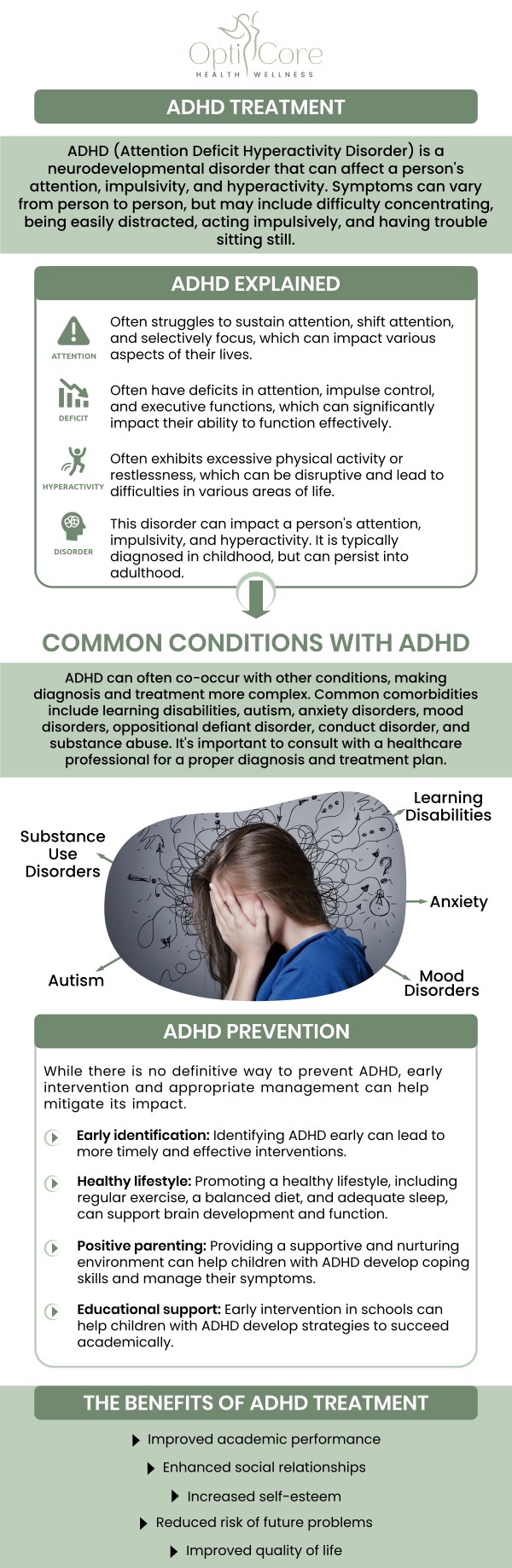
Table of Contents:
What is ADHD and can it continue into adulthood?
How might ADHD symptoms change or feel different in adults compared with children?
What challenges do many adults with ADHD face in daily life?
What are common patterns of behaviour or struggles seen in adults with ADHD (e.g., losing items, forgetfulness, restlessness)?
When should adults seek an ADHD evaluation?
How are adult ADHD symptoms evaluated at OptiCore Health & Wellness?
What happens after an adult ADHD evaluation?
Frequently asked questions about adult ADHD symptoms
Personalized Adult ADHD Care with Nimrode N Aridou, PMHNP-BC, MSN, BSN, RN
At OptiCore Health and Wellness, we understand that living with Attention-Deficit/Hyperactivity Disorder (ADHD) can present unique challenges for both children and adults. ADHD is a neurodevelopmental condition characterized by persistent patterns of inattention, hyperactivity, and impulsivity that can affect daily life, work, relationships, and overall well-being.
Our experienced team provides comprehensive evaluation and personalized treatment plans for individuals experiencing ADHD symptoms. We recognize that ADHD is not just a childhood disorder—many adults continue to struggle with symptoms such as difficulty focusing, disorganization, time management issues, and impulsivity. Our approach considers the unique ways ADHD can manifest across all ages, ensuring that each patient receives care tailored to their needs.
At OptiCore Health and Wellness, our goal is to help you or your loved one manage ADHD symptoms effectively, improve daily functioning, and enhance your overall quality of life. If you suspect you may have ADHD, or if you need support with managing existing symptoms, our dedicated professionals are here to help you every step of the way.
Attention-Deficit/Hyperactivity Disorder (ADHD) is not just a childhood condition—it often continues into adulthood, affecting many aspects of daily life. Our comprehensive, patient-centered approach is designed to support individuals with ADHD at every stage, helping them thrive both personally and professionally.
ADHD in Childhood
In children, ADHD commonly presents as excessive fidgeting, difficulty sitting still, constant talking, and trouble waiting their turn. Parents and teachers may also notice challenges with following instructions, organizing schoolwork, or keeping track of personal items. Early identification and support can make a significant difference.
ADHD in Adulthood
As children with ADHD grow into adults, their symptoms often shift. Hyperactivity may become less obvious, but adults may experience an internal sense of restlessness, difficulty relaxing, or persistent feelings of being “on edge.” Impulsivity can show up as hasty decision-making, interrupting conversations, or emotional regulation challenges, all of which can impact relationships and career success.
Inattention remains a core concern for many adults, manifesting as chronic disorganization, forgetfulness, difficulty managing time, or trouble prioritizing and completing tasks. Adults with ADHD often describe themselves as easily distracted or unable to focus on less interesting but important responsibilities. These challenges can lead to frustration, low self-esteem, and stress—especially during major life transitions.
At OptiCore Health and Wellness, we understand that adults often develop coping strategies—like complex organizational systems or heavy reliance on reminders—to manage ADHD symptoms. However, stress and fatigue can make these symptoms more noticeable or harder to manage. Emotional symptoms such as irritability, sensitivity to criticism, and feeling overwhelmed may also become more prominent.
Our team specializes in recognizing the nuanced ways that ADHD presents throughout life. We offer comprehensive assessments, individualized treatment plans, and ongoing support to help patients manage their symptoms and improve their quality of life. Whether you’re seeking guidance or navigating the challenges of adult ADHD yourself, OptiCore is here to help.
Understanding how ADHD evolves and affects each person differently is at the heart of our practice. Through evidence-based interventions, lifestyle modifications, counseling, and, when appropriate, medication management, we empower our patients to take control of their health and wellness.
Many adults with ADHD face unique challenges that can impact their overall quality of life. Difficulties with maintaining focus, especially during repetitive or sustained tasks, are common and can interfere with both professional responsibilities and personal routines. Our team recognizes that these focus issues often lead to problems completing work assignments or managing daily household responsibilities.
Organization is another area where adults with ADHD may struggle. Frequently misplacing items, forgetting important appointments, or having trouble with planning and prioritizing tasks are challenges that our providers at OptiCore Health and Wellness frequently help patients address. Time management obstacles, such as chronic lateness or underestimating how long tasks will take, can add to daily stress and frustration.
Impulsivity is also a significant concern for many of our patients. This can show up as interrupting others, making quick decisions without considering consequences, or engaging in risky behaviors. Emotional regulation can be affected as well, resulting in mood swings, frustration, or difficulty coping with stress. These symptoms can make social interactions and relationships more challenging, sometimes leading to misunderstandings or the perception of unreliability.
At OptiCore Health and Wellness, we also recognize the emotional impact of ADHD. Many adults experience low self-esteem and feelings of underachievement due to past struggles or criticism. These emotions can contribute to anxiety or depression, compounding the daily challenges of living with ADHD.
Our compassionate, evidence-based approach focuses on supporting adults with ADHD in managing their symptoms and improving their overall well-being. We partner with our patients to develop personalized treatment plans that address focus, organization, emotional health, and daily functioning—empowering you to achieve your personal and professional goals.
Adult ADHD may become apparent through repeated difficulties with attention, planning, and impulse control. Some individuals frequently overlook instructions, lose track of appointments, or struggle to complete tasks that require sustained concentration. Others experience internal restlessness, interrupt conversations, or make decisions before considering the consequences.
These patterns may occur across multiple areas of life, including work, home responsibilities, and personal relationships. Although occasional forgetfulness or distraction is common, persistent symptoms that interfere with daily functioning may indicate the need for a professional assessment. A clinical evaluation helps determine whether the difficulties are related to ADHD or other contributing factors.
Adults may benefit from an ADHD evaluation when ongoing attention difficulties, disorganization, impulsivity, or restlessness begin interfering with work, relationships, or everyday responsibilities. Some individuals recognize these concerns after years of relying on reminders, last-minute deadlines, or complicated routines to manage their daily lives.
An evaluation may also be appropriate when symptoms become more noticeable during career changes, increased family responsibilities, or other demanding life circumstances. Because sleep difficulties, anxiety, depression, and certain medical conditions can produce similar symptoms, a professional assessment helps identify possible contributing factors and determine appropriate next steps.
At OptiCore Health & Wellness, an adult ADHD evaluation involves reviewing attention-related symptoms, medical and developmental history, and their effect on daily functioning. Nimrode N. Aridou, PMHNP-BC, considers information from the clinical assessment to help determine whether the reported difficulties are consistent with ADHD or require further investigation.
Clinical Interview: The provider discusses current symptoms, their duration, possible childhood patterns, and challenges affecting work, relationships, and daily responsibilities.
Symptom Assessment: Questionnaires or other assessment tools may help document difficulties with attention, organization, restlessness, and impulsivity.
QbCheck Testing: When appropriate, computerized testing may provide additional information about attention, activity, and impulse control. QbCheck results support the clinical assessment but do not independently establish an ADHD diagnosis.
Clinical Review: The provider considers the collected information and evaluates whether other conditions may contribute to similar symptoms.
Recommendations: Following the assessment, patients can discuss their findings, appropriate treatment options, additional testing, or ongoing support based on individual needs.
For more information about the available evaluation packages, visit our ADHD Specialist page.
Once an ADHD evaluation is completed, the provider reviews the clinical findings and explains the next steps. When ADHD is diagnosed, treatment recommendations may focus on managing attention difficulties, impulsivity, organization, and other symptoms that interfere with everyday activities.
Depending on individual needs, ongoing care may include medication management, behavioral strategies, treatment monitoring, or referrals for additional support. Follow-up appointments allow the provider to review symptom changes, discuss concerns, and adjust recommendations when clinically appropriate.
At OptiCore Health & Wellness, available follow-up support depends on the selected service and evaluation package. Patients can review our Self-Pay Pricing page to understand the listed evaluation options and contact our team for clarification about additional appointments.
Can adults have ADHD without obvious hyperactivity?
Yes. Some adults experience predominantly inattentive symptoms, such as difficulty maintaining concentration, forgetting responsibilities, or struggling to organize tasks. Physical hyperactivity may be minimal, while internal restlessness or persistent mental activity may still occur.
Can adult ADHD symptoms become more noticeable with age?
ADHD symptoms may become more noticeable when daily responsibilities increase or established coping strategies become less effective. Although ADHD begins during development, some individuals do not recognize the difficulties until adulthood.
How can adults tell the difference between ADHD and everyday forgetfulness?
Occasional forgetfulness is common. ADHD-related difficulties generally involve persistent patterns that affect functioning in more than one setting. A clinical evaluation considers symptom history, frequency, impact, and other possible explanations.
Can anxiety or depression cause symptoms similar to adult ADHD?
Yes. Anxiety, depression, sleep disturbances, and other conditions can contribute to difficulties with concentration, memory, and motivation. A clinical assessment helps distinguish overlapping symptoms and identify conditions that may occur alongside ADHD.
Can adults develop ADHD symptoms even if they were never diagnosed as children?
Yes. Some people are first diagnosed in adulthood, even though ADHD symptoms generally originate during childhood. A provider reviews developmental history and current functioning to determine whether ADHD is an appropriate diagnosis.
What treatment options are available after an adult ADHD diagnosis?
Treatment may include medication management, behavioral interventions, organizational strategies, and ongoing follow-up. Recommendations depend on clinical findings, patient preferences, and individual health needs.
At OptiCore Health & Wellness, Nimrode N. Aridou, PMHNP-BC, MSN, BSN, RN and our team provide individualized ADHD evaluations for adults experiencing persistent attention difficulties, disorganization, impulsivity, or restlessness. Our approach considers each patient’s symptoms, medical history, daily responsibilities, and treatment needs to guide appropriate care recommendations.
Whether you are seeking an initial evaluation or exploring ongoing ADHD management, our team can explain the available assessment options, treatment services, and follow-up arrangements. We serve patients in Belmont, NC, and surrounding communities, including Gastonia, Mount Holly, Cramerton, and Lowell.
If you or a loved one are experiencing these challenges, know that support is available. Contact OptiCore Health and Wellness today to take the next step toward clarity, balance, and success in adulthood. For more information, contact us or request an appointment online. We are conveniently located at 6640 Wilkinson blvd, suite 500, Belmont, NC 28012. We serve patients from Belmont NC, Cramerton NC, Mount Holly NC, Lowell NC, Gastonia NC, Stanley Dallas NC, and surrounding cities.
Check Out Our 5 Star Reviews


Additional Services You May Need

Additional Services You May Need
▸ ADHD Specialist
▸ Telepsychiatry
▸ Medication Management
▸ Anxiety
▸ Depression
▸ Alcohol/ Substance Use Disorder
▸ Mental Health Evaluations
▸ Psychiatric Evaluations
▸ Mobile Psychiatry
▸ Crisis Intervention
▸ Staff Consultation
▸ Anger Management
▸ Addiction
▸ Mood Disorders
▸ Insomnia
▸ Trauma
▸ PTSD


 Send Text
 How May I Help You?