

How Does Untreated ADHD Affect Women Over Time?
Untreated ADHD in women can contribute to persistent difficulties with concentration, time management, emotional regulation, and everyday responsibilities. These challenges may become more noticeable when personal or professional demands increase, particularly among women whose symptoms were overlooked earlier in life. At OptiCore Health & Wellness in Belmont, NC, Nimrode N. Aridou, PMHNP-BC, MSN, BSN, RN, and our team provide personalized ADHD evaluations to help identify attention-related concerns and discuss appropriate treatment options. For more information, contact us or request an appointment online. We are conveniently located at 6640 Wilkinson blvd, suite 500, Belmont, NC 28012.
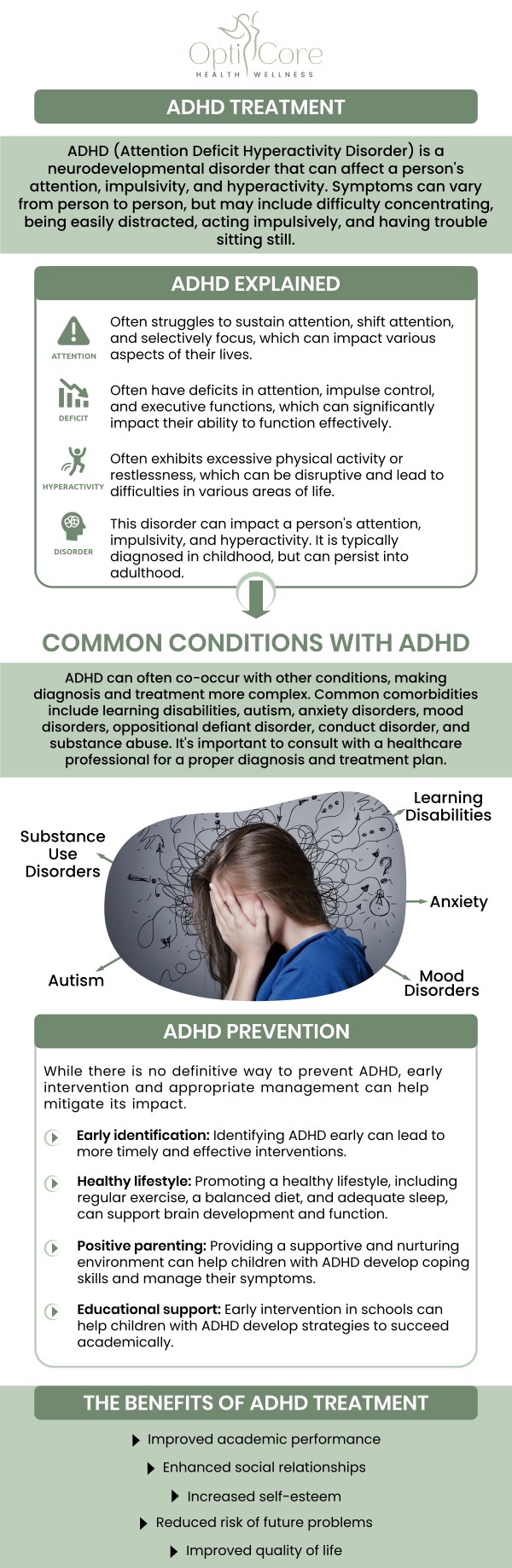
Table of Contents:
What are the long-term effects of untreated ADHD in women?
How can untreated ADHD impact a woman’s career, relationships, and daily responsibilities?
Can untreated ADHD symptoms become more challenging for women as they get older?
How does untreated ADHD affect emotional health and self-confidence in women?
Why is ADHD sometimes overlooked or diagnosed later in women?
How is ADHD evaluated in adult women at OptiCore Health & Wellness?
What treatment and follow-up options are available for women with ADHD?
Frequently asked questions about untreated ADHD in women
How Can Nimrode N Aridou, PMHNP-BC, MSN, BSN, RN, Help Women Overcome the Long-Term Effects of Untreated ADHD?
At OptiCore Health and Wellness, we recognize that Attention Deficit Hyperactivity Disorder (ADHD) often presents differently in women, and untreated or undiagnosed ADHD can have a profound impact on every aspect of a woman’s life. Without proper intervention, women may struggle with chronic low self-esteem and persistent self-doubt, often stemming from years of unmet expectations at work, school, or within personal relationships. These ongoing challenges can lead to increased levels of anxiety and depression, as daily responsibilities become overwhelming without the right support or understanding.
Professional and academic difficulties are also common. Women with untreated ADHD frequently experience disorganization, trouble meeting deadlines, and inconsistent performance, which may result in underachievement, job instability, or missed opportunities for career growth. These challenges can add financial strain and further impact a woman’s sense of self-worth.
Socially, ADHD symptoms such as forgetfulness, impulsivity, or difficulty listening can strain relationships with family, friends, and romantic partners. Misunderstandings and frustration may arise when these symptoms are mistaken for a lack of interest or effort, potentially leading to social isolation or ongoing conflict.
Physically, the stress associated with untreated ADHD can contribute to unhealthy coping mechanisms, such as emotional eating, substance misuse, or neglect of self-care. Over time, these behaviors may increase the risk for chronic health conditions such as obesity, hypertension, and sleep disorders.
At OptiCore Health and Wellness, we believe in the power of early recognition, comprehensive diagnosis, and personalized treatment plans. Our integrative approach addresses not only the symptoms of ADHD but also the emotional, social, and physical challenges that accompany the condition. By combining evidence-based medical care, mental health support, and lifestyle guidance, we empower women to overcome obstacles, improve their well-being, and reach their full potential.
At OptiCore Health and Wellness, we understand that untreated ADHD in women can have far-reaching effects on various aspects of life, including career, relationships, and daily responsibilities. In the workplace, symptoms such as distractibility, forgetfulness, and difficulties with time management can make it challenging to meet deadlines, stay organized, or follow through on tasks. As a result, women with untreated ADHD may struggle with job performance, experience higher levels of workplace stress, and may be overlooked for promotions or new opportunities. This can lead to frustration, low self-esteem, and even job loss.
Personal relationships can also be affected. Untreated ADHD may manifest as impulsivity, trouble listening, or inconsistent attention to partners, friends, or children. This can lead to misunderstandings, frequent conflicts, and feelings of being unsupported by loved ones. Women may feel overwhelmed by emotional demands or responsibilities, contributing to tension and difficulties in maintaining healthy, balanced relationships.
Managing daily responsibilities becomes more difficult when ADHD is left unaddressed. Routine tasks such as paying bills on time, keeping appointments, managing household chores, or caring for family members can feel overwhelming or may be neglected. This can lead to chronic disorganization, financial troubles, or a persistent sense of chaos at home. Over time, these challenges often contribute to heightened anxiety, depression, or feelings of inadequacy, making it even more difficult to cope with everyday life.
At OptiCore Health and Wellness, our compassionate team specializes in evaluating and supporting women facing these challenges. We believe that understanding and properly treating ADHD can significantly improve daily functioning and overall quality of life. If you recognize these symptoms in yourself or a loved one, we encourage you to reach out to OptiCore Health and Wellness for a comprehensive assessment and personalized care plan.
ADHD symptoms may become harder to manage as women take on additional responsibilities involving careers, relationships, parenting, or household organization. Difficulties with concentration, prioritizing tasks, remembering appointments, and regulating emotions can become more apparent when established coping strategies are no longer sufficient. Women who were not evaluated earlier in life may begin recognizing patterns that have affected them for years.
Some women also notice changes in attention or emotional regulation during menstruation, pregnancy, perimenopause, or menopause. Hormonal fluctuations may contribute to symptom changes, although their effects vary and research is continuing. Sleep disturbances, anxiety, depression, and other medical factors can also influence concentration. An individualized assessment helps distinguish possible causes and guide appropriate care recommendations.
At OptiCore Health and Wellness, we understand that ADHD often goes unrecognized in women, leading to a range of emotional and self-esteem challenges. When ADHD is undiagnosed and untreated, women may experience persistent feelings of overwhelm, frustration, and inadequacy. This can make it difficult to manage daily responsibilities at work, school, or home, resulting in chronic stress and anxiety.
Many women internalize these struggles, mistakenly believing they are personal failings rather than symptoms of a neurodevelopmental condition. This misunderstanding can lead to low self-esteem, as women compare themselves to others and feel they are constantly falling short. Experiences such as forgetfulness, disorganization, and impulsivity can erode confidence and cause feelings of shame or guilt over time.
Untreated ADHD can also increase the risk of mood disorders like depression and anxiety. The ongoing effort to compensate for symptoms can be emotionally draining, making it harder to manage stress and regulate emotions. Women may notice increased mood swings, irritability, and difficulties with relationships due to miscommunications and misunderstandings.
Social isolation is also common, as women may withdraw out of embarrassment or fear of being judged. This can create a cycle where emotional struggles and low self-confidence reinforce each other, making it even more challenging to seek help.
At OptiCore Health and Wellness, we are committed to helping women recognize the signs of ADHD and providing comprehensive support. Our compassionate team works with you to develop personalized strategies that address both the emotional and practical challenges of ADHD, empowering you to build confidence and improve your overall well-being.
ADHD may go unrecognized in women when symptoms primarily involve inattention, forgetfulness, mental restlessness, or difficulties with organization rather than noticeable physical hyperactivity. Some women develop routines that help conceal their struggles, such as repeatedly checking tasks, working longer hours, or relying heavily on reminders to meet everyday expectations.
These coping patterns may make attention difficulties less apparent to others, even when managing responsibilities requires considerable effort. Symptoms may also overlap with anxiety, depression, or sleep-related concerns, which can complicate recognition. A professional evaluation considers both current symptoms and earlier developmental patterns to determine whether ADHD or another condition may explain the difficulties.
At OptiCore Health & Wellness, an ADHD evaluation considers the individual’s attention-related concerns, medical and developmental history, emotional health, and challenges affecting everyday functioning. Nimrode N. Aridou, PMHNP-BC, reviews available clinical information and may recommend additional assessment tools when appropriate.
Step 1: Review of current symptoms
The provider discusses concentration problems, forgetfulness, disorganization, impulsivity, restlessness, and any difficulties affecting work, relationships, or daily routines.
Step 2: Developmental and medical history
The evaluation considers earlier patterns of attention difficulties, relevant medical conditions, previous mental health concerns, and factors that may contribute to similar symptoms.
Step 3: ADHD assessment tools
Symptom questionnaires, rating scales, or QbCheck testing may provide additional information. QbCheck measures attention, activity, and impulsivity, but it cannot independently confirm or exclude ADHD.
Step 4: Clinical interpretation
The provider considers the collected findings and evaluates whether ADHD, another condition, or overlapping concerns may explain the reported symptoms.
Step 5: Individualized recommendations
After reviewing the assessment findings, the provider discusses appropriate next steps, which may include treatment planning, additional evaluation, or follow-up care.
For more information about available testing options, visit our ADHD Specialist page.
Treatment for ADHD in women depends on individual symptoms, medical history, coexisting conditions, and personal care needs. Following an evaluation, the provider may discuss options intended to address attention difficulties, impulsivity, organization, and challenges affecting everyday functioning.
Medication management: When clinically appropriate, medication may be considered as part of an individualized treatment plan. Follow-up appointments can help monitor response, side effects, and ongoing treatment needs.
Behavioral support: Practical approaches to time management, organization, daily routines, and coping with attention-related challenges may be recommended. Appropriate behavioral therapy may also be beneficial.
Ongoing monitoring: Follow-up care allows the provider to assess symptoms, address concerns, and modify treatment recommendations when needed.
Additional support: Women experiencing coexisting anxiety, depression, sleep disturbances, or other concerns may benefit from further assessment or coordinated care.
At OptiCore Health & Wellness, available services and follow-up appointments depend on the selected treatment arrangement. Patients can review our Self-Pay Pricing page or contact our team for details about evaluation packages and additional services.
Can women have ADHD without showing obvious hyperactivity?
Yes. Some women experience predominantly inattentive symptoms, including forgetfulness, poor organization, and difficulty maintaining concentration. Their difficulties may be less noticeable to others, particularly when they use coping strategies to manage daily responsibilities.
Can untreated ADHD in women be mistaken for anxiety or depression?
Yes. ADHD shares certain symptoms with anxiety and depression, including concentration problems and difficulties completing everyday tasks. These conditions can also occur together, making a thorough clinical assessment important.
Can hormonal changes affect ADHD symptoms in women?
Some women notice changes in attention, mood, or executive functioning during menstruation, pregnancy, perimenopause, or menopause. Hormonal changes may play a role, although individual experiences vary and other contributing factors should also be considered.
Is it possible for women to receive an ADHD diagnosis later in life?
Yes. Some women are not evaluated until adulthood because their symptoms were previously overlooked or managed through coping strategies. A professional assessment considers childhood symptom patterns alongside current difficulties.
Can untreated ADHD affect sleep and emotional regulation in women?
ADHD may occur alongside sleep difficulties and challenges with emotional regulation. These problems can also have other causes, so an evaluation helps identify contributing factors and appropriate recommendations.
What happens after a woman receives an ADHD diagnosis?
The provider may discuss medication, behavioral strategies, appropriate therapy, and ongoing monitoring based on individual needs. Follow-up appointments help review treatment response and determine whether adjustments are appropriate.
At OptiCore Health & Wellness, Nimrode N. Aridou, PMHNP-BC, MSN, BSN, RN, and our team provide individualized assessments for women experiencing ongoing challenges with attention, organization, impulsivity, and daily functioning. Our approach considers each patient’s medical history, symptoms, emotional concerns, and personal circumstances to help determine appropriate care recommendations.
Women seeking an initial ADHD evaluation or ongoing treatment information can discuss available testing options, medication management, and follow-up services with our team.
If you or someone you know is struggling with symptoms of ADHD, don’t hesitate to reach out. Early evaluation and tailored support can make a transformative difference in emotional health and daily life. For more information, contact us or request an appointment online. We are conveniently located at 6640 Wilkinson blvd, suite 500, Belmont, NC 28012. We serve patients from Belmont NC, Cramerton NC, Mount Holly NC, Lowell NC, Gastonia NC, Stanley Dallas NC, and surrounding cities.
Check Out Our 5 Star Reviews


Additional Services You May Need

Additional Services You May Need
▸ ADHD Specialist
▸ Telepsychiatry
▸ Medication Management
▸ Anxiety
▸ Depression
▸ Alcohol/ Substance Use Disorder
▸ Mental Health Evaluations
▸ Psychiatric Evaluations
▸ Mobile Psychiatry
▸ Crisis Intervention
▸ Staff Consultation
▸ Anger Management
▸ Addiction
▸ Mood Disorders
▸ Insomnia
▸ Trauma
▸ PTSD


 Send Text
 How May I Help You?